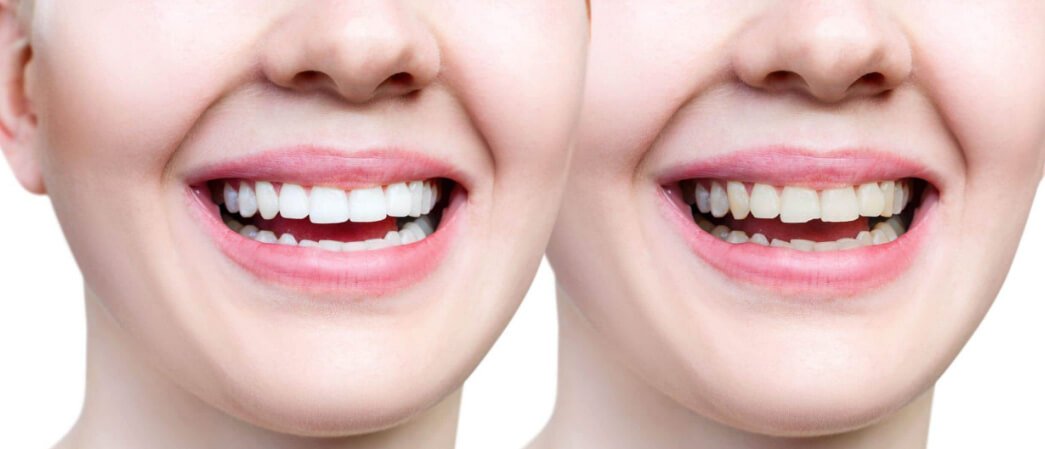
You notice it in photos first. A smile that looks a little dull, a chipped edge that was not there years ago, or teeth that have shifted enough to change how your whole face feels. If you are thinking about cosmetic dental care for yourself, a parent, or a young adult in your family, the choices can feel bigger than they should, especially when considering options like dental implants in Ann Arbor, MI. You want something that looks natural, lasts, and does not create more problems later.
That concern is reasonable. Cosmetic treatment is not one size fits all, and age changes what matters most. A teen or young adult may care about confidence at school or work. A middle aged adult may want stronger, brighter teeth that still fit a busy life. An older adult may be dealing with worn enamel, dry mouth, old dental work, or gum changes. The good news is that several treatments adapt well across age groups when planned carefully. Three of the most dependable are professional whitening, bonding, and porcelain veneers.
Professional teeth whitening improves color without changing tooth structure
Stains build slowly, which is why many people put off dealing with them. Coffee, tea, red wine, tobacco, certain medications, and simple aging can all darken teeth. You may brush more and still feel like your smile never looks fully clean. That is frustrating, especially when the issue is not hygiene at all. It is color deep inside the enamel and dentin.
Professional whitening is often the simplest cosmetic upgrade because it keeps your natural tooth shape and removes years of discoloration. For younger adults, it can be a fast confidence boost before college, interviews, or weddings. For older adults, it can brighten a smile that has become yellow or gray with age. MedlinePlus explains that tooth discoloration has many causes, which is why a dental exam matters before treatment starts.
This option works well across generations because it is conservative. Little to no tooth structure is removed, and treatment can often be adjusted for sensitivity or existing dental work. Whitening does have limits. Crowns and fillings do not lighten the way natural teeth do, and very deep stains may respond unevenly. Still, for many families comparing cosmetic dentistry options, whitening is the easiest place to start.
Dental bonding repairs chips, gaps, and uneven edges with a lower upfront cost
Some smile concerns are small but hard to ignore. A chipped front tooth from sports, a narrow gap, worn corners, or one tooth that looks shorter than the others can draw your eye every time you look in a mirror. You may tell yourself it is minor, then find yourself hiding your smile anyway.
Bonding uses tooth colored resin to reshape or repair a tooth in a single visit in many cases. It is a strong fit for patients who want visible improvement without the cost or tooth preparation that veneers may require. That makes it useful for younger adults who are not ready for a more permanent cosmetic change, and for older adults who want to refresh a smile without extensive treatment.
Materials matter here. Dental research funded through the National Institute of Dental and Craniofacial Research has supported advances in dental materials, helping modern restorations look more natural and perform better than older versions. Bonding is not as stain resistant or long lasting as porcelain, but it can be an excellent middle ground when you want a practical, attractive fix.
Porcelain veneers create the most dramatic cosmetic change for worn or uneven smiles
Some concerns run deeper than one stain or chip. Teeth may be worn down from grinding, naturally uneven, misshapen, or marked by discoloration that whitening cannot lift. If that sounds familiar, you are not being vain by wanting a more complete change. Living with a smile you do not trust affects how freely you talk, laugh, and show up in the world.
Veneers cover the front surface of teeth with thin porcelain shells that improve color, shape, and proportion at the same time. They are often the best choice when several front teeth need coordinated improvement. This is where cosmetic dental treatments for all ages can still apply, because the right candidate is not defined by age alone. Oral health, enamel condition, bite forces, and habits like clenching matter more.
For older adults, veneers can restore a smile that looks flattened or aged by wear. The National Institute on Aging also notes that mouth and tooth care changes with age, especially when dry mouth, gum recession, or medical conditions are involved. That does not rule veneers out. It means planning has to be thoughtful.
These cosmetic dentistry choices differ in cost, durability, and upkeep
| Option | Best For | Tooth Structure | Longevity | Key Limitation |
|---|---|---|---|---|
| Professional Whitening | Yellowing, surface and mild internal stains | Usually preserved | Months to a few years, depending on habits | Does not change shape, and restorations do not whiten |
| Dental Bonding | Chips, small gaps, uneven edges | Minimal removal in many cases | Several years with good care | Can stain or chip more easily than porcelain |
| Porcelain Veneers | Multiple cosmetic issues on front teeth | Some preparation is often needed | Often 10 years or longer with maintenance | Higher cost and less easily reversed |
If you are weighing smile enhancement options, the best choice is usually the one that solves your real concern without overtreating it. A college student with one chipped tooth may do great with bonding. A parent with widespread staining may only need whitening. Someone with worn, uneven front teeth may be happiest with veneers because smaller fixes would still leave the smile looking patchy.
Clear next steps make cosmetic dentistry feel less overwhelming
Start with a health first exam. Cosmetic care works best when the foundation is stable. Cavities, gum inflammation, grinding, and dry mouth can all affect results. A general and cosmetic dentist can tell you whether your goal calls for whitening, bonding, veneers, or a mix of treatments.
Bring real examples of what you like. Screenshots, old photos of your own smile, and notes about what bothers you help more than vague words like “better” or “perfect.” You may want brighter teeth, not larger ones. You may want straighter edges, not a dramatic Hollywood look. That clarity protects you from results that feel too obvious.
Ask about maintenance before you commit. Every option has upkeep. Whitening may need touch ups. Bonding may need polishing or repair. Veneers require consistent home care and routine visits. If a plan only sounds good on day one, it is not the right plan.
Cosmetic dentistry options can work well at almost any age when the treatment matches the person, not just the smile trend. You do not need the most expensive solution. You need the one that respects your teeth, your budget, and the way you want to look and feel every day. If you are ready to take the next step, schedule a consultation with a general and cosmetic dentist and get a plan built around what matters to you.
