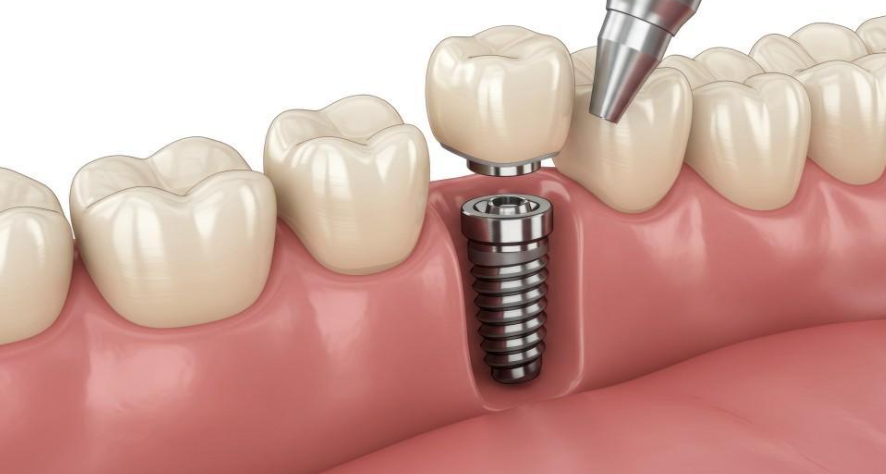
Your mouth feels different after implant surgery, and that can be unsettling. Eating takes more thought, brushing feels risky, and every small ache can make you wonder whether healing is going the way it should. That uneasy feeling is common. The first days after surgery are when good habits matter most, because the bone and gum tissue around the implant need calm, clean conditions to recover well. Guidance from a dental implant dentist in Skokie IL can also help you feel more confident about the healing process.
The good news is that 6 Tips For Caring For Dental Implants After Surgery do not need to be complicated. Keep the area clean without disturbing it, protect the blood clot, eat soft foods, stay ahead of swelling, avoid anything that slows healing, and pay attention to warning signs. If you follow your surgeon’s instructions and give your mouth a little patience, most of the daily choices become much easier.
Dental implant aftercare starts with protecting the surgical site
The first mistake many people make is treating the implant area like any other sore spot in the mouth. It is not. A dental implant is placed into bone, and early healing depends on the implant staying stable while the surrounding tissue closes and the bone begins to bond to it. The FDA’s guidance on dental implants explains that healing and long term success depend on both the procedure and the care that follows.
That means no poking the area with your tongue, fingers, or toothbrush bristles. It also means skipping hard rinsing, forceful spitting, and drinking through a straw in the first phase of recovery if your surgeon told you to avoid those actions. When pressure builds in the mouth, it can disturb the clot and irritate the tissues that are trying to seal.
You may look in the mirror and see swelling, a little blood mixed with saliva, or bruising near the cheek or jaw. That can feel alarming, especially if this is your first implant. Mild bleeding and swelling in the first day or two are common. Heavy bleeding, severe pain that keeps building, or a bad taste with pus are different. Those signs need a call to your dental office.
Soft foods and careful cleaning support healing after dental implant surgery
Food becomes a bigger deal than people expect. When your mouth is sore, even a piece of toast can feel like a bad idea, and often it is. Soft foods reduce pressure on the implant area and lower the chance of irritating stitches or trapping debris. Yogurt, eggs, applesauce, mashed potatoes, smoothies eaten with a spoon, oatmeal once it cools, and soup that is warm rather than hot are usually easier choices.
Temperature matters too. Very hot foods and drinks can increase discomfort and may trigger more bleeding early on. Crunchy foods, seeds, chips, and sticky snacks can get caught around the site and make cleaning harder. If you are wondering when you can go back to normal meals, the answer depends on the number of implants, whether bone grafting was done, and how your mouth is healing.
Cleaning your mouth still matters, even when brushing feels intimidating. Plaque around a fresh surgical site can lead to irritation and infection. The key is gentle care. The post care instructions from the University of Minnesota reflect what most oral surgery teams recommend, including careful oral hygiene, rest, and avoiding actions that disrupt healing. You may be told to brush the nearby teeth carefully, use a prescribed rinse, or rinse lightly with salt water after the first day.
Swelling control and habit changes improve dental implants recovery
Swelling often peaks around 48 to 72 hours after surgery. That catches some people off guard because they expect each hour to feel better than the last. In reality, the second day can look worse before things settle down. Cold packs on the outside of the face during the first day can help. Sleeping with your head elevated may also reduce throbbing and puffiness.
Pain medicine works best when you use it as directed rather than waiting until discomfort is intense. If your provider recommended over the counter medicine or prescribed medication, follow that plan closely. The Veterans Health Library guidance on recovering after dental implant surgery also stresses rest, soft foods, and avoiding tobacco. Smoking and vaping are hard on healing tissues and reduce blood flow where your mouth needs it most. Alcohol can also irritate the area and interact badly with pain medicine or antibiotics.
This is where many healing problems begin. Someone feels a little better, goes back to normal food too fast, skips cleaning because the mouth feels tender, or smokes because stress is high. A few days of poor choices can turn a routine recovery into a painful setback. Dental implant surgery recovery is not about doing one big thing right. It is about doing many small things carefully.
Daily choices can help or hurt implant healing
| Situation | Better Choice | Why It Helps |
|---|---|---|
| Hungry after surgery | Soft, cool or lukewarm foods | Reduces pressure, heat irritation, and food particles near the site |
| Mouth feels unclean | Gentle brushing and approved rinsing | Keeps plaque down without disturbing the implant area |
| Facial swelling starts | Cold pack and rest with head elevated | Helps limit swelling and improves comfort in the first day |
| Tempted to smoke or vape | Avoid nicotine during healing | Supports blood flow and lowers risk of delayed healing |
| Unsure if symptoms are normal | Call your dentist about worsening pain, fever, pus, or heavy bleeding | Early treatment can prevent larger problems |
Three steps make general and cosmetic dentist follow up easier
Follow the written instructions exactly. Memory gets unreliable when you are tired or numb or trying to juggle medication times. Use the written aftercare sheet from your provider. Set alarms for medicine, note when to start rinsing, and keep a short list of foods you know are safe. This removes guesswork when your mouth is sore and you do not want to think.
Build a low effort meal and hygiene plan. Stock soft foods before surgery if you can. Put a clean towel, gauze, your rinse, and any medication in one easy spot at home. That small setup helps on the first night, when even simple tasks feel bigger than they should. Good dental implant care is often just preparation that makes the right choice easier.
Track symptoms instead of guessing. Mild soreness, swelling, and small amounts of bleeding can be expected. Worsening pain after several days, foul odor, fever, loose feeling around the implant, or swelling that keeps spreading deserve prompt attention. If something feels off, trust that instinct and call your dental office.
See also: How Minneapolis Bus Accident Claims Work and Why Metro Transit Cases Require Immediate Legal Action
Steady care gives your implant the best chance to heal well
The first stretch after surgery asks for patience more than anything else. Eat gently, clean carefully, rest when your body asks for it, and do not push your mouth to act normal before it is ready. Most people feel better day by day, even if the progress is not perfectly smooth.
If your recovery feels confusing or symptoms seem worse instead of better, reach out to your dental provider for guidance. Good support after implant surgery can spare you pain, protect your results, and help you get back to normal with more confidence.
