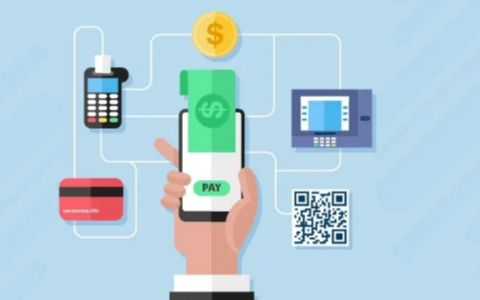
Digital payment technology encompasses various electronic methods for transferring money, minimizing the reliance on cash. This evolution includes mobile wallets and cryptocurrencies, each offering distinct advantages. However, while these technologies provide convenience and security, they also introduce challenges such as cyber threats and technical issues. Understanding the landscape of digital payments is crucial for assessing their impact on consumer behavior and business practices, raising questions about what lies ahead in this rapidly evolving sector.
What Is Digital Payment Technology?
Digital payment technology encompasses a range of electronic methods that facilitate the transfer of money between parties without the need for physical cash.
Central to this technology are digital wallets, which store payment information securely, enhancing user convenience.
Payment security remains paramount, as robust encryption methods protect transactions, ensuring that users can engage in financial exchanges with confidence and freedom from fraud.
Types of Digital Payment Technologies: From Mobile Wallets to Cryptocurrencies
While many consumers are increasingly adopting electronic payment methods, the landscape of digital payment technologies is diverse and continually evolving.
Key types include mobile wallets, which facilitate instant transactions via smartphones, and cryptocurrency exchanges, enabling users to trade digital currencies.
These technologies empower individuals with more payment options, fostering financial autonomy and innovation within the broader economic landscape.
Key Benefits of Digital Payments for Consumers and Businesses
As businesses and consumers increasingly embrace electronic transactions, the advantages of digital payments become more pronounced.
These systems facilitate seamless transactions, allowing for quick and efficient exchanges of value. Additionally, enhanced security features protect sensitive information, fostering consumer trust and reducing fraud.
Ultimately, digital payments streamline operations for businesses while empowering consumers with greater convenience and control over their financial activities.
What Challenges Should You Expect With Digital Payments?
Despite the numerous advantages associated with electronic payment systems, several challenges can arise for both businesses and consumers.
Security concerns pose significant risks, as cyberattacks can compromise sensitive information.
Additionally, transaction delays may occur due to technical issues or processing times, leading to frustration.
Addressing these challenges is crucial for fostering trust and ensuring seamless digital payment experiences in an increasingly cashless society.
Read Also: Digital Creativity Through Technology
Conclusion
In the ever-evolving landscape of commerce, digital payment technology stands as a beacon of innovation, illuminating the path toward a cashless future. With its myriad forms—from mobile wallets to cryptocurrencies—it offers a seamless bridge between convenience and security. Yet, lurking in the shadows are challenges that demand vigilance and adaptation. As this technological tide continues to rise, it beckons both consumers and businesses to navigate its waters, embracing the potential while remaining aware of the undercurrents.
