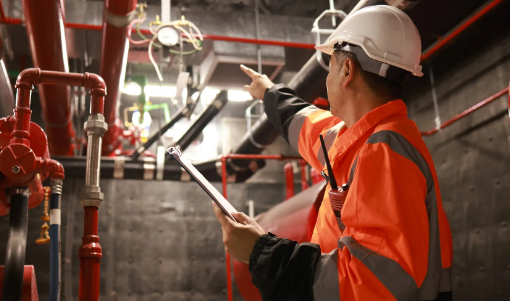
Industrial environments are inherently high-risk areas due to the presence of flammable materials, heavy machinery, electrical systems, and complex processes. A fire outbreak in such settings can result in significant property damage, operational downtime, environmental hazards, and even loss of life. Therefore, conducting a comprehensive fire risk assessment in industrial environments is not just a regulatory requirement but also a critical step in safeguarding employees, assets, and the continuity of operations.
Understanding Fire Risk Assessment
Fire risk assessment is a systematic process aimed at identifying potential fire hazards, evaluating the level of risk, and implementing preventive and protective measures to mitigate those risks. In industrial environments, this assessment involves analyzing every aspect of the workplace, from storage areas to production lines, and from electrical systems to human activities that could ignite a fire.
The main objectives of a fire risk assessment in industrial settings are:
- Identifying fire hazards (sources of ignition, fuel, and oxygen).
- Evaluating the potential consequences and likelihood of a fire.
- Establishing preventive measures to minimize risks.
- Developing effective emergency response plans.
- Ensuring compliance with legal and safety regulations.
Key Components of Fire Risk Assessment
- Identification of Fire Hazards
Industrial environments contain multiple sources of fire hazards, including flammable chemicals, combustible dust, welding operations, and electrical equipment. Identifying these hazards requires a detailed inspection of the facility, understanding the materials used, and recognizing processes that could lead to ignition. - Evaluation of Risk
Once hazards are identified, the next step is to evaluate the risk they pose. This involves considering both the likelihood of a fire occurring and the potential severity of its impact. For example, a minor electrical spark in an isolated area might pose less risk than a welding operation near a flammable chemical storage area. - Control Measures
After evaluating risks, the assessment focuses on implementing control measures. These may include:- Proper storage and handling of flammable materials.
- Installation of fire detection and suppression systems.
- Regular maintenance of electrical and mechanical equipment.
- Establishment of fire zones and fire exits.
- Employee training in fire safety practices.
- Emergency Planning
Even with preventive measures, fire incidents can occur. Industrial facilities must develop emergency plans, including evacuation procedures, alarm systems, communication protocols, and coordination with local fire services. Conducting regular fire drills ensures employees are prepared to respond effectively. - Documentation and Review
All findings, risk levels, and control measures should be documented. Fire risk assessments are not one-time activities; they must be reviewed periodically, especially when new equipment is installed, processes change, or materials are updated. Continuous monitoring and improvement are essential for maintaining a safe industrial environment.
Importance of Fire Risk Assessment in Industrial Environments
- Protection of Life: The primary goal is to safeguard employees, visitors, and contractors from fire hazards.
- Minimization of Property Damage: Early detection and preventive measures reduce the likelihood of extensive damage to machinery, infrastructure, and products.
- Regulatory Compliance: Many countries require industrial facilities to conduct fire risk assessments to meet occupational health and safety standards.
- Business Continuity: Fires can halt production and affect supply chains. Effective fire risk management ensures operational continuity.
- Insurance Benefits: Proper risk assessment and safety protocols can lead to lower insurance premiums and faster claims processing in case of an incident.
Best Practices for Industrial Fire Risk Management
- Conduct regular fire safety audits.
- Implement strict housekeeping to avoid accumulation of combustible materials.
- Ensure all electrical wiring and equipment are regularly inspected.
- Train employees in fire prevention, alarm systems, and evacuation procedures.
- Use fire-resistant materials in critical areas.
- Establish clear signage for fire exits, assembly points, and firefighting equipment.
- Install automatic fire detection and suppression systems like sprinklers and extinguishers.
- Maintain records of drills, inspections, and maintenance for accountability and legal compliance.
Read Also: Digital Creativity Through Technology
Conclusion
Fire risk assessment in industrial environments is a critical component of workplace safety. It not only helps prevent devastating incidents but also ensures compliance with regulations and enhances operational efficiency. By systematically identifying hazards, evaluating risks, implementing control measures, and preparing for emergencies, industrial facilities can significantly reduce the likelihood and impact of fire incidents. Regular reviews, employee training, and adoption of best practices are essential to creating a safe and resilient industrial environment.
Frequently Asked Questions (FAQs)
Q1: How often should fire risk assessments be conducted in industrial environments?
A: Fire risk assessments should be conducted at least annually, or whenever there is a significant change in equipment, processes, or materials.
Q2: Who is responsible for conducting fire risk assessments?
A: Typically, trained safety officers or fire safety consultants conduct assessments, though employers are legally responsible for ensuring they are completed.
Q3: Are fire drills necessary in industrial facilities?
A: Yes, regular fire drills are essential to ensure employees know evacuation procedures and can respond quickly in case of an actual fire.
Q4: What are the common fire hazards in industrial environments?
A: Common hazards include flammable liquids, combustible dust, electrical faults, welding sparks, heating equipment, and improper storage of materials.
Q5: Can fire risk assessment reduce insurance costs?
A: Yes, insurance providers often offer lower premiums to industrial facilities that demonstrate effective fire risk management and safety compliance.
