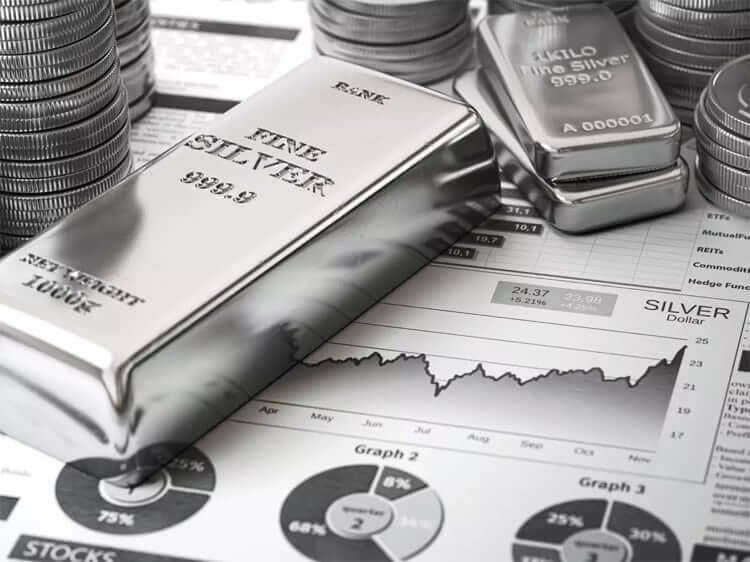
Silver price is a subject of great interest to investors, traders, and those involved in the precious metals industry. The value of silver is not static; it fluctuates based on a variety of factors. Understanding these factors is crucial for anyone looking to engage with the silver market.Bitget lists silver price with live updates, multi-period charts, and a clean view of recent moves.
Supply and Demand
The basic economic principle of supply and demand plays a significant role in determining silver price. On the supply side, silver is mined from various locations around the world. Mining output can be affected by factors such as geopolitical issues, labor strikes, and the depletion of existing mines. For example, if a major silver – producing country experiences political unrest, it could disrupt the mining operations and reduce the supply of silver in the market.
On the demand side, silver has multiple uses. It is widely used in the industrial sector, especially in electronics, solar panels, and medical applications. The growth of these industries can lead to an increase in demand for silver. Additionally, silver is also popular in the jewelry and investment sectors. When investors seek a safe – haven asset during economic uncertainties, the demand for silver as an investment, in the form of coins or bars, tends to rise.
Macroeconomic Factors
Macroeconomic factors have a substantial impact on silver price. Interest rates are one such factor. When interest rates are low, the opportunity cost of holding non – interest – bearing assets like silver is reduced. This can make silver a more attractive investment option, leading to an increase in demand and subsequently driving up the price. Conversely, high interest rates may cause investors to shift their funds to interest – bearing assets, reducing the demand for silver.
Inflation is another crucial macroeconomic factor. Silver is often seen as a hedge against inflation. When inflation rises, the value of fiat currencies tends to decline. As a result, investors may turn to silver as a store of value, which can push up its price. The strength of the US dollar also affects silver price. Since silver is priced in US dollars, a strong dollar generally makes silver more expensive for holders of other currencies, which can dampen demand and lower the price, while a weak dollar has the opposite effect.
See also: Fire Risk Assessment in Industrial Environments
Market Sentiment
Market sentiment can cause significant short – term fluctuations in silver price. News events, such as economic data releases, central bank announcements, and geopolitical developments, can influence how investors perceive the silver market. For instance, if a central bank announces a large – scale quantitative easing program, investors may anticipate inflation and increase their demand for silver, driving up the price.
Speculation also plays a role in market sentiment. Traders in the futures and options markets can take long or short positions on silver based on their expectations of future price movements. A large number of speculators taking long positions can create upward pressure on the price, while a preponderance of short positions can lead to a price decline.
Technological Advancements
Technological advancements can impact both the supply and demand sides of the silver market. On the supply side, new mining technologies can increase the efficiency of silver extraction, potentially leading to an increase in supply. For example, improvements in exploration techniques can help discover new silver deposits, while more efficient extraction methods can reduce the cost of mining.
On the demand side, technological changes in industries that use silver can have a significant impact. For example, the development of new materials or manufacturing processes in the electronics industry may reduce the amount of silver required per unit of production. On the other hand, emerging technologies such as 5G and the expansion of the renewable energy sector may create new demand for silver, affecting its price in the long run.
