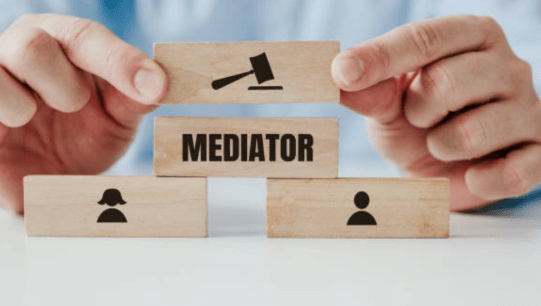
Utah’s approach to family law is deeply rooted in the principle of finding sustainable, long-term solutions for families in transition. In many jurisdictions across the state, mediation is not just a suggestion; it is a mandatory step in the contested divorce process designed to keep families out of the courtroom. This structured negotiation allows parties to move beyond the rigid constraints of a judge’s ruling, providing a private space to discuss sensitive issues like asset division and co-parenting schedules.
By prioritizing communication over confrontation, mediation empowers individuals to retain control over their future, often resulting in agreements that are more durable and personalized than a standard court order. It transforms a potentially combative atmosphere into a collaborative environment where creative compromises can flourish. When navigating these complex discussions, having a Brown Family lawyer by your side ensures that your rights remain protected while you work toward a peaceful resolution. This path not only saves time and emotional energy but also preserves dignity for everyone involved.
Promoting Constructive Communication
Mediation is based on open dialogue. These professionals assist the spouses in expressing their feelings and perspectives. Every participant gets a turn to speak uninterrupted. This type of establishment promotes respect and understanding. Similarly, talking everything through leaves fewer things open to misinterpretation and shows everyone the priorities.
Focusing on Mutual Agreement
Divorce in the traditional sense becomes confrontational. Instead, mediation focuses on cooperation. The process aims for solutions acceptable to both parties. Compromise only works if both people get a say in the decision-making process. When parties work towards mutually acceptable agreements, the resulting contracts are usually better and less likely to give rise to future disputes.
Maintaining Privacy and Confidentiality
Mediation sessions are inherently private, while courtrooms are, of course, public. Information discussed in mediation should remain confidential. Partners can discuss private matters without concern for public scrutiny. This privacy is then the blanket of comfort that allows you to be honest. Being able to speak your mind behind closed doors also helps tackle real issues.
Reducing Stress for Children
Children typically bear the brunt of family disputes. Mediation protects children from parental conflict. The parents can collaborate to develop parenting plans that safeguard their children’s interests. Less stress on parents creates a more stable environment for kids. When parents resolve their problems amicably, it benefits children.
Saving Time and Financial Resources
Lawsuits take a lot of time and money. Mediation is often more affordable than protracted court business. Sessions are held at a time that suits you, enabling faster resolutions. Couples save their financial resources by not having lengthy litigation. This method also lightens your emotional labor, making the transition more seamless.
Encouraging Customized Solutions
During separation, every family faces it differently. Since they are reached through mediation, they can be tailored to your specific situation. There are no stringent legal expectations for couples. Instead, they invent their own solutions. This personalized approach enhances satisfaction and adherence to the final agreement.
Improving Long-Term Cooperation
Some relationships, particularly those involving kids, cannot be severed by divorce. The communication skills developed during this process serve as a foundation for all future interactions. By necessity, parenting requires constant collaboration on vital matters such as education, healthcare, and long-term well-being. When mediation goes well, it may set the stage for future collaboration. Over time, this is advantageous for both parents and their offspring.
Empowering Both Parties
Mediation gives both of them an equal chance to influence the outcome. No single party dominates it. The mediator is an unbiased party and maintains neutrality in the discussions to provide a level playing ground. Less resentment when both feel their opinions are heard. Empowerment gives both parties a greater stake in accepting the final solution.
Providing Emotional Support
Divorce is never easy on emotions, and safely transitioning between two households can be just as difficult. Mediators can see, and most recognize, the need for emotional support. They provide a safe harbor where emotions can be recognized. Participants can focus on practical solutions when they are not weighed down by emotional tension. Supportive mediation helps relieve the emotional pressure of separation.
Minimizing Conflict and Hostility
Divorce conflicts tend to spiral, unless broken. Mediation helps lower the temperature because discussing the issues rather than the people fosters a problem-solving approach rather than finger-pointing. The parties collaborate to assess areas of mutual interest. Long-term resentment is unlikely to develop when disagreements are handled productively. Reducing fighting levels allows everyone involved time to heal and adjust.
Promoting Satisfactory Outcomes
Settlements reached through mediation often seem more palatable to those involved. Resolution is co-created by both sides, improving satisfaction with the resolution. Such voluntary agreements reduce the risk of future litigation. This helps in actor closure and makes space for everyone to move ahead.
See also: Stylish Event Design and Celebration Concepts in Dubai
Conclusion
Divorce mediation provides a productive option for resolving disagreements arising from divorce. It is a process based on respect, dialogue, and cooperation. If partners focus on solutions rather than blame, the couple gets what they want. Mediation is private, less costly than litigation, and emotionally beneficial. This, in turn, makes divorce less painful for families and establishes a foundation for healthier future relationships.
