Modern infrastructure projects operate with a much faster production pace than earlier construction models. In the past, site development followed longer and more separated phases where groundwork, material processing, and surfacing activities were completed one after another over extended periods of time.
Current project structures are far more condensed as work now progresses within tighter construction schedules. This has increased the importance of equipment capable of handling continuous site activity without slowing transitions between different stages of work.
The change is also visible in equipment design and site planning methods. Construction machinery today is selected with greater attention to mobility, processing speed, adaptability, and ground coverage. Projects handling road development, aggregate preparation, and surface treatment require machines that support steady production across every stage of the site rather than isolated sections of the operation.
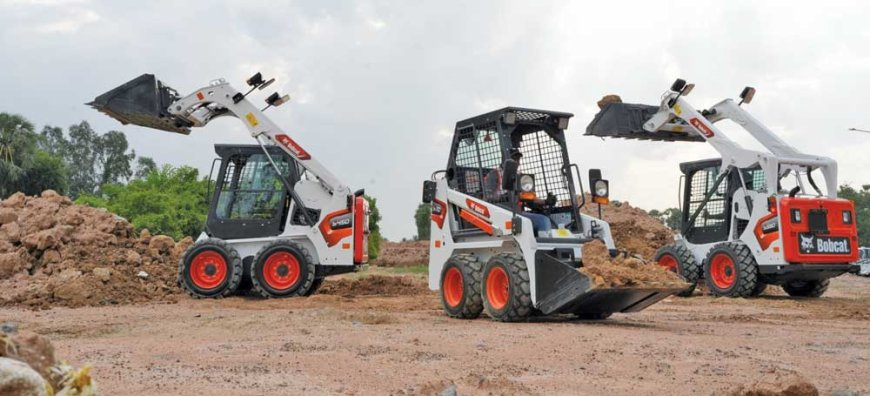
Why Skid Steer Loaders Stay Active Through the Entire Workday
Some machines are brought in for a single stage of work. A skid steer loader usually stays active from the beginning of the shift until the last movement before shutdown.
Part of that comes from its size. The machine moves comfortably through restricted sections where larger equipment struggles to reposition. Temporary pathways, partially completed road sections, trench edges, and crowded loading areas all suit the compact layout of a skid steer.
The other reason is attachment flexibility. Buckets handle loose aggregates. Fork attachments move palletised material. Sweepers clean finished sections before surfacing begins. Operators change tasks quickly without bringing additional equipment into the area.
This keeps movement close to the work itself. Material does not sit untouched waiting for another machine to arrive. Smaller corrective work is handled immediately, while the rest of the site continues moving. On busy roadwork projects, responsiveness becomes valuable very quickly.
See also: What Families Should Know About Home Care Options
Mobile Screening Plants and the Shift Toward On-Site Processing
A mobile screening plant allows material processing to happen directly beside active work areas instead of at distant fixed facilities. That mobility changes how projects handle aggregate movement and reuse.
Screened material moves back into operation much faster when processing happens on-site. Crushed stone, excavated soil, reclaimed asphalt, and demolition waste can all be sorted according to project requirements without leaving the area.
Roadwork projects benefit from this particularly well because material demand changes throughout different stages of surfacing and base preparation. One section may require finer grading while another needs heavier aggregate for structural support.
The screening setup adjusts alongside those changes.
Operators also gain more control over stockpile management. Material can be separated into clearly defined sizes and positioned close to where it will be used next. That reduces unnecessary machine travel across the site and keeps loading activity more organised during busy operational periods.
Roadwork Timing Depends on Surface Preparation
Road construction follows a strict sequence once surfacing begins. Base layers need to hold proper density. Loose debris must be cleared away. Aggregate placement has to remain even across the full width of the working section.
Timing becomes extremely important during this stage.
If preparation moves too slowly, paving crews begin waiting for the surface to catch up. If material arrives too early, sections remain exposed longer than intended before the next layer is applied. Good site pacing comes from keeping each stage aligned with the one immediately after it.
This is where smaller support equipment often shapes the speed of the entire operation.
Loaders maintain movement around the paving zone. Screening systems keep aggregate supply consistent. Surface preparation crews work ahead of spraying and compaction teams so that no stage begins operating in isolation from the others.
Why Bitumen Spray Tankers Remain Central to Road Construction
A bitumen spray tanker handles one of the most controlled stages of modern roadwork. The binder layer needs even coverage across the entire surface before asphalt placement begins.
Application quality matters because it affects how well the upper layer bonds with the prepared base beneath it.
Spraying systems today are designed to maintain measured distribution across long stretches of roadway without irregular buildup or inconsistent coverage. Operators control spray rate according to surface condition, road width, and project specification.
This stage also affects pacing across the site.
Once spraying begins, the next phases of work usually follow closely behind. Asphalt placement crews, compactors, and finishing teams move according to that schedule. A steady spraying operation, therefore, helps maintain continuity across the broader paving sequence rather than forcing repeated pauses between stages.
Large infrastructure projects rely heavily on that consistency once surfacing activity reaches full pace.
Conclusion
Heavy equipment does not operate independently on large projects for very long. One stage begins feeding directly into the next. Excavation supports grading. Screening supports surfacing. Spraying supports paving.
Once that chain settles into rhythm, the pace of the site becomes much easier to maintain.
A skid steer loader clearing loose material beside the roadway may seem disconnected from aggregate screening happening further down the project. In practice, both stages influence how quickly the paving section progresses later in the day. A bitumen spray tanker becomes part of that same flow when surface preparation shifts into sealing and binding work.
The same pattern repeats across most active infrastructure sites. Material preparation affects movement. Movement affects surface readiness. Surface readiness shapes how smoothly final construction stages unfold.
High-output projects are usually recognised by that rhythm more than by the size of the machinery working on them.
