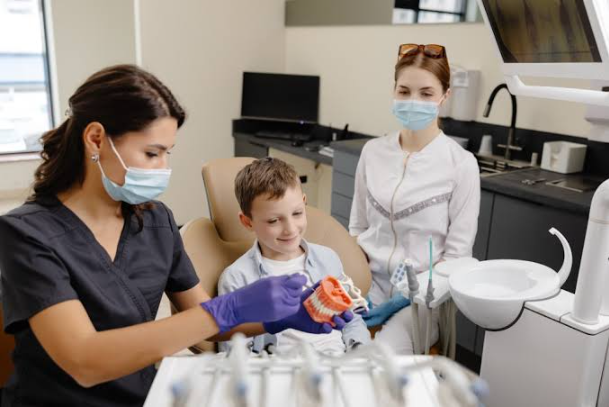
You are not just booking one more appointment. You are trying to keep up with school schedules, work stress, aging parents, insurance limits, and the quiet worry that a small dental issue could turn into a painful and expensive one. Oral health changes with age, and that means one routine cleaning does not look the same for a child, a busy adult, and an older adult. A family dentist at a dental clinic in Morrisville adjusts care at each stage, so your household gets treatment that fits real life instead of a one size fits all approach.
That matters because the needs are different in ways people feel every day. A child may fear the chair and need extra time, simple words, and cavity prevention. An adult may ignore bleeding gums because there is no time to deal with it. A senior may be managing dry mouth, exposed roots, medication side effects, or dentures that no longer fit well. Good family dental care meets each person where they are, and that often makes the difference between prevention and repair.
Family dental care changes because oral health risks change with age
Children often need help building habits before problems start. That includes showing them how to brush well, tracking how baby teeth and adult teeth come in, and watching for early decay. According to the CDC’s oral health findings, cavities remain one of the most common chronic conditions affecting children and adolescents. That can sound routine until you have seen a child avoid cold drinks, stop chewing on one side, or wake up at night with tooth pain.
Adults carry a different load. Long workdays, skipped checkups, grinding, stress, and diet all show up in the mouth. Gum disease can start quietly. A cracked filling can wait until it becomes an emergency. Preventive visits are often the first thing to get pushed aside, even though national Healthy People oral health objectives continue to focus on reducing untreated decay and improving access to care across age groups.
Seniors face issues that are easy to miss if a dental office only thinks in terms of cleanings and fillings. Aging itself does not ruin teeth, but health conditions and medications can raise risk. Dry mouth can make cavities more likely. Arthritis can make flossing hard. Receding gums can expose root surfaces that decay faster. The National Institute of Dental and Craniofacial Research offers guidance on oral health for older adults, including care for dentures, natural teeth, and mouths affected by chronic disease.
That is where dentists for all ages stand apart. They do not just provide the same service to everyone in the family. They shift communication, prevention plans, treatment timing, and follow up based on what each patient is dealing with.
A family dentist balances comfort, prevention, and long term planning
A child who feels rushed may fight every future visit. An adult who only comes in when something hurts usually pays more and needs more treatment. A senior with a loose denture may stop eating certain foods, which affects nutrition and confidence at the same time. The dental issue is real, but so is the emotional weight around it.
Family practices often adapt by making visits more practical and less intimidating. For children, that may mean short early appointments, coaching for parents, fluoride treatments, and sealants. For adults, it may mean watching old dental work, screening for gum disease, and discussing grinding, jaw pain, or cosmetic concerns without pressure. For seniors, it may include reviewing medications, checking for oral cancer, adjusting home care tools, and planning around mobility or medical needs.
This is also where trust builds. If your teenager has braces, your spouse has gum sensitivity, and your parent needs denture care, it helps to have one office that understands the full picture. How Family Dentists Adapt Care For Children, Adults, And Seniors is not just about age categories. It is about continuity, patterns, and catching problems earlier because the provider knows your family history and habits.
Age specific care makes daily dental decisions easier
| Life Stage | Common Concerns | How a Family Dentist Adapts Care |
|---|---|---|
| Children | Cavities, fear of visits, thumb sucking, developing bite | Gentle introductions, fluoride, sealants, habit coaching, growth monitoring |
| Adults | Gum disease, worn teeth, stress grinding, delayed treatment | Routine exams, periodontal checks, bite evaluation, repair planning, realistic scheduling |
| Seniors | Dry mouth, root decay, tooth loss, denture fit, medical complexity | Medication review, dry mouth guidance, denture care, oral cancer screening, easier home care strategies |
The value here is practical. A six year old may need sealants before cavities start. A forty year old may need a night guard before grinding cracks a tooth. A seventy five year old may need saliva support and more frequent monitoring because medication has changed the mouth’s natural protection. That is dental care for every generation in real terms, not a slogan.
Three steps help you get the most from family dentistry
1. Group concerns by person, not by appointment. Before you schedule, write down what each family member is dealing with. Tooth sensitivity, bad breath, mouth dryness, bleeding gums, fear, jaw pain, denture soreness. Small details help the dentist tailor care instead of treating everyone like a standard cleaning.
2. Ask for prevention plans that match age and habits. A child may need sealants and brushing tips. An adult may need a periodontal maintenance schedule. A senior may need adaptive floss tools or products for dry mouth. The right plan is specific. It fits what the person can actually do at home.
3. Stop waiting for pain to set the timeline. Many oral problems stay quiet until treatment gets harder and more expensive. If something feels off, sensitivity, bleeding, a rough edge on a tooth, a denture that rubs, it is worth addressing early. Prevention costs less in money, time, and stress.
The right family dentist supports every stage of life
Your family does not stay in one season for long. Kids grow fast, adult schedules get crowded, and aging changes what the mouth needs. Good care adjusts with those changes. That is the real strength of a family dentist. You get prevention for children, practical treatment for adults, and thoughtful support for seniors, all shaped around daily life instead of generic advice.
If your household needs dental care that fits each age and stage, now is a good time to schedule the next visit and get everyone on a plan that works.
