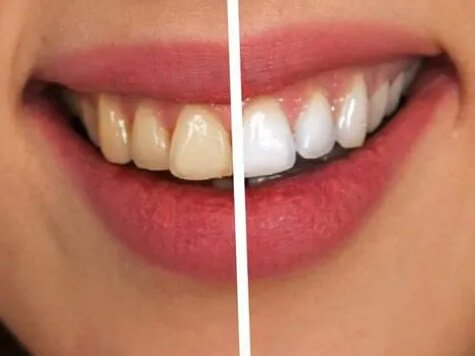
You may have spent years trying to brush a little longer, whiten a little harder, or smile with your lips closed in photos, only to find that the spots, streaks, or patchy color in your enamel never really change. That gets tiring. Naturally mottled enamel often has nothing to do with poor hygiene, yet people still feel judged by a smile that looks uneven or stained. If this sounds familiar, speaking with a cosmetic dentist in West Edmonton, AB may help you understand your options.
The hard part is that this issue sits in two places at once. It affects appearance, and it can also point to enamel that formed differently from the start. Some people have mild surface discoloration. Others have deeper enamel defects tied to genetics, early childhood illness, or fluoride exposure during tooth development. The right plan depends on what is causing the mottling, how strong the enamel is, and what result you want from a family and cosmetic dentist.
Natural enamel mottling has more than one cause
Mottled enamel can show up as white spots, brown marks, yellow patches, pitting, or a chalky look. In some mouths, the enamel is only discolored. In others, it is thin or weak. That difference matters. If the enamel is structurally sound, cosmetic treatment may be fairly conservative. If it is fragile, appearance and protection need to be addressed together.
One common cause is fluorosis, which happens when too much fluoride is taken in during the years teeth are forming. The National Institute of Dental and Craniofacial Research explains why fluoride is good for dental health, while also making clear that the amount matters during development. Another cause is amelogenesis imperfecta, a genetic condition that affects enamel formation. The NIH Genetic and Rare Diseases Information Center offers a clear overview of amelogenesis imperfecta and the ways it can change tooth color, texture, and durability.
There are also cases where the enamel looks mottled because of mineral loss, trauma to developing teeth, or past illness. MedlinePlus outlines several causes of tooth discoloration, and not all of them respond to whitening. That is where frustration starts. You try the product that worked for someone else, and your teeth either do not change or become more sensitive.
Cosmetic dental care for stained enamel works best when the diagnosis is precise
If your enamel is naturally mottled, over the counter whitening can make the contrast worse. White spots may look brighter while darker areas stay dark. If the enamel is porous, whitening agents can also trigger sharp sensitivity. You end up paying for something that leaves you disappointed and uncomfortable.
A careful exam changes the whole conversation. A dentist can check whether the issue is mostly color, surface texture, enamel thickness, or a mix of all three. That is what guides treatment. Mild mottling may improve with microabrasion, bonding, or resin infiltration. Moderate discoloration may need veneers. Teeth with weak or thin enamel may do better with crowns that protect them while improving appearance.
This is where cosmetic dentistry for mottled teeth becomes personal, not generic. Two people can have similar looking spots and need very different care. One may only need a subtle cosmetic fix on the front teeth. Another may need a staged plan that starts with sensitivity control and bite protection before any aesthetic work.
Professional cosmetic dentistry often protects more than appearance
There is a real emotional side to this. People with mottled enamel often learn to avoid close up photos, bright lipstick, or laughing without covering their mouth. If the enamel is weak, they may also deal with sensitivity to cold air, sweets, or brushing. Cosmetic treatment is not always vanity. Sometimes it is relief, confidence, and protection bundled together.
Cost can still feel heavy. Veneers and crowns are an investment, and insurance may not cover treatment if it is labeled cosmetic. That makes it even more important to choose a plan that fits the condition of your enamel instead of chasing the cheapest quick fix. A lower upfront cost can become more expensive if repeated whitening, patch repairs, or avoidable sensitivity lead to more treatment later.
Comparing treatment paths for naturally mottled enamel
| Option | Best For | Main Benefit | Main Limitation |
| Whitening | General yellowing with strong enamel | Lower cost and simple | Often does not fix patchy or developmental enamel changes |
| Microabrasion | Shallow white or brown surface marks | Conservative enamel smoothing | Works only on certain superficial defects |
| Dental bonding | Small visible areas, chips, uneven color | Fast improvement with less tooth reduction | Can stain or wear over time |
| Veneers | Front teeth with moderate to severe discoloration | Strong cosmetic change and natural look | Higher cost and not ideal for every enamel condition |
| Crowns | Weak, thin, or heavily damaged enamel | Protection plus appearance improvement | More extensive treatment |
Practical steps can make cosmetic dental treatment clearer
Ask for a cause based diagnosis. Do not settle for “your teeth are just stained” if that answer does not fit your history. Ask whether the mottling looks like fluorosis, enamel hypoplasia, amelogenesis imperfecta, or another developmental issue. The treatment choice changes once the cause is clear.
Request a conservative to extensive treatment ladder. Ask your dentist to walk through the least invasive option first, then the next level, then the full coverage option if needed. That helps you compare bonding, microabrasion, veneers, and crowns based on your enamel strength, not just appearance.
Test the smile design before committing. If veneers or crowns are being discussed, ask for a mock up, wax up, or preview photos. You should know the expected shade, shape, and number of teeth involved before treatment starts. That step prevents expensive surprises.
See also: How Minneapolis Bus Accident Claims Work and Why Metro Transit Cases Require Immediate Legal Action
Better options exist for people with uneven enamel color
You are not imagining the stress of living with enamel that always looks stained, no matter how well you care for it. The good news is that tooth discoloration treatment is not one thing, and the best results usually come from matching the treatment to the enamel you actually have. A skilled family and cosmetic dentist can help you choose a plan that improves the look of your smile without ignoring sensitivity, strength, or long term maintenance.
If you are ready to stop guessing and start with a clear evaluation, schedule a visit with a family and cosmetic dentist and ask for a treatment plan built around your naturally mottled enamel.
