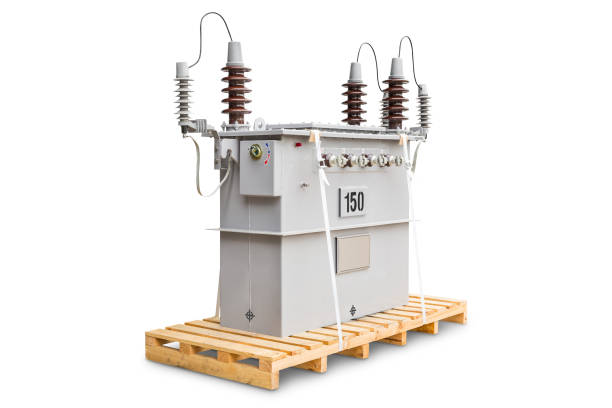
Reliable power conversion is essential for residential, commercial, and light industrial electrical systems. Electrical devices require stable voltage levels to operate efficiently and safely. One of the most reliable components used for this purpose is the 15 KVA single phase transformer. Designed to convert electrical voltage levels while maintaining energy efficiency, this transformer plays a vital role in protecting equipment and ensuring smooth power distribution.
In this article, we will explore what a 15 KVA single phase transformer is, how it works, its benefits, applications, and why energy efficiency is important for modern electrical systems.
Understanding a 15 KVA Single Phase Transformer
A 15 KVA single phase transformer is an electrical device used to transfer electrical energy between circuits using electromagnetic induction. The transformer operates on a single-phase power supply and has a power rating of 15 kilovolt-amperes (KVA).
The KVA rating indicates the transformer’s maximum power handling capacity. A 15 KVA transformer is commonly used in small to medium electrical systems where stable voltage conversion is required.
Key Components of a Single Phase Transformer
A typical transformer consists of several essential components:
1. Magnetic Core
The magnetic core is usually made of laminated silicon steel sheets. It provides a path for magnetic flux and reduces energy losses caused by eddy currents.
2. Primary Winding
The primary winding receives electrical energy from the input power source. It generates a magnetic field when current flows through it.
3. Secondary Winding
The secondary winding receives energy through electromagnetic induction and supplies converted voltage to the connected load.
4. Insulation System
Proper insulation protects windings and internal components from electrical faults and overheating.
5. Cooling Mechanism
Efficient cooling helps maintain safe operating temperatures and improves transformer lifespan.
How a 15 KVA Single Phase Transformer Works
A transformer operates based on Faraday’s law of electromagnetic induction. When alternating current flows through the primary winding, it produces a varying magnetic field in the core.
This magnetic field induces voltage in the secondary winding. The output voltage depends on the ratio of turns between the primary and secondary coils.
Voltage Conversion Process
The transformer can either:
- Step-Up Voltage – Increasing voltage while reducing current
- Step-Down Voltage – Decreasing voltage while increasing current
For example:
- Input: 240V
- Output: 120V (Step-down transformer)
This voltage conversion ensures that electrical equipment receives the appropriate power level for safe operation.
Importance of Energy Efficiency in Transformers
Energy efficiency is a critical factor in modern electrical infrastructure. Transformers operate continuously in many systems, so reducing energy losses can significantly lower operational costs.
Types of Transformer Losses
Transformers typically experience two major types of losses:
1. Core Losses
Also known as iron losses, these occur due to hysteresis and eddy currents in the magnetic core.
2. Copper Losses
Copper losses occur due to resistance in the transformer windings when current flows through them.
Energy efficient transformers minimize these losses through:
- High-grade core materials
- Advanced winding designs
- Improved insulation systems
An energy efficient 15 KVA single phase transformer ensures optimal power delivery while reducing wasted electricity.
Advantages of Energy Efficient 15 KVA Transformers
Using an energy efficient transformer offers several benefits for both businesses and homeowners.
1. Reduced Power Loss
Efficient transformers reduce energy wastage during voltage conversion, improving overall system performance.
2. Lower Electricity Costs
Lower losses translate into reduced power consumption and lower energy bills over time.
3. Enhanced Equipment Protection
Stable voltage levels protect sensitive devices such as computers, medical equipment, and industrial machines.
4. Longer Operational Life
Efficient cooling and improved insulation increase transformer durability and reduce maintenance requirements.
5. Environmentally Friendly
Reduced energy loss means lower power demand, contributing to decreased carbon emissions.
See also: Digital Content Creation Through Technology
Common Applications of 15 KVA Single Phase Transformers
Due to their versatility and efficiency, these transformers are widely used across multiple industries.
Residential Power Systems
In residential areas, 15 KVA transformers are used to regulate voltage levels for homes and small housing complexes.
Commercial Buildings
Offices, retail shops, and small commercial establishments rely on transformers for reliable power distribution.
Industrial Equipment
Light industrial operations such as workshops and manufacturing units use these transformers to power machinery safely.
Renewable Energy Systems
Solar and small wind power installations use transformers to convert generated voltage into usable levels.
Medical Facilities
Hospitals and clinics require stable voltage supply to ensure the safe operation of diagnostic and life-support equipment.
Key Features to Look for in a Quality Transformer
Selecting the right transformer is crucial for safety, reliability, and efficiency. When choosing a 15 KVA single phase transformer, consider the following features:
High Efficiency Core
Look for transformers with low-loss silicon steel or amorphous metal cores.
Durable Insulation
High-quality insulation ensures protection against electrical faults and environmental conditions.
Thermal Protection
Built-in thermal protection prevents overheating and improves safety.
Compact Design
Modern transformers are designed to be compact, making installation easier in limited spaces.
Compliance with Safety Standards
Ensure the transformer meets recognized electrical standards and certifications.
Installation and Maintenance Tips
Proper installation and regular maintenance ensure optimal transformer performance.
Installation Guidelines
- Install the transformer in a well-ventilated area
- Ensure proper grounding
- Avoid moisture and excessive heat exposure
- Follow manufacturer installation instructions
Maintenance Practices
- Inspect insulation periodically
- Monitor operating temperature
- Clean dust and debris from ventilation openings
- Check connections for looseness or corrosion
Regular maintenance can significantly extend the life of the transformer and prevent unexpected power issues.
Future Trends in Transformer Technology
The transformer industry continues to evolve with advancements in materials and energy management technologies.
Some emerging trends include:
- Smart transformers with monitoring sensors
- Amorphous core transformers with ultra-low losses
- IoT-enabled power monitoring systems
- Eco-friendly insulating materials
These innovations are helping industries achieve higher energy efficiency and better power management.
Conclusion
An energy efficient 15 KVA single phase transformer is an essential component for safe and reliable power conversion. It ensures stable voltage supply, protects electrical equipment, and reduces energy losses in power distribution systems.
With applications across residential, commercial, and industrial environments, these transformers provide a dependable solution for modern electrical infrastructure. By choosing a high-quality transformer with efficient design and proper safety features, users can benefit from improved performance, reduced operational costs, and longer equipment lifespan.
As technology continues to advance, energy efficient transformers will play an even greater role in supporting sustainable and reliable power systems around the world.
