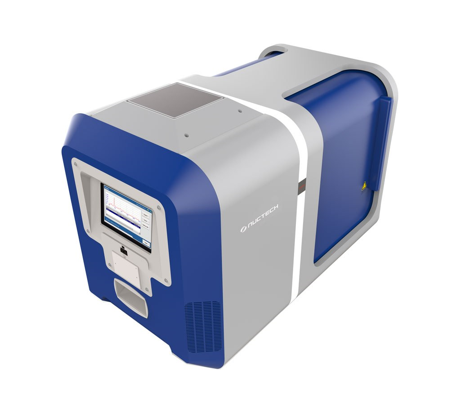
In the ever-evolving world of airport security, technology is stepping up its game. Gone are the days of long lines and tedious waits just to get your luggage scanned. Now, with smart scanners, the process is not only faster but also more accurate than ever before. These high-tech devices use cutting-edge X-ray technology to ensure that every baggage scanner is thoroughly inspected without causing unnecessary delays.
These scanners are equipped with advanced algorithms that can detect even the tiniest prohibited items. They can differentiate between different materials, making it easier to spot potential threats like explosives detection. This means fewer false alarms and a smoother experience for everyone involved. Plus, with their ability to process a high volume of bags quickly, they help keep the lines moving and reduce wait times.
But it’s not just about speed and accuracy. Smart scanners are also designed with user convenience in mind. Their ergonomic design makes them easy for security personnel to operate, and their intuitive interfaces mean that training time is minimal. All in all, smart scanners are revolutionizing the way we approach airport security, making it faster, more efficient, and more reliable than ever before.
Biometrics: the new boarding pass
Imagine a world where you don’t need to fumble for your boarding pass or ID every time you go through a checkpoint. Thanks to biometrics, that world is becoming a reality. Biometrics use unique physical characteristics, such as fingerprints or facial recognition, to verify your identity. This technology is already being implemented in many airports around the world.
The beauty of biometrics lies in its simplicity and efficiency. No more digging through your bag for your ID or worrying about losing your boarding pass. Just a quick scan of your face or fingerprint, and you’re good to go. It’s fast, secure, and incredibly convenient. Plus, it adds an extra layer of security by ensuring that only the person who matches the biometric data can proceed.
Airports are also benefiting from this technology. With biometrics, they can streamline the boarding process, reduce bottlenecks, and enhance overall security. It’s a win-win situation: passengers enjoy a smoother, hassle-free experience, while airports can operate more efficiently and securely.
See also: Digital Content Creation Through Technology
Advanced ai keeping an eye out
Artificial intelligence (AI) is playing an increasingly important role in airport security. These systems are capable of analyzing vast amounts of data in real time, identifying patterns and anomalies that might indicate a potential threat. For instance, AI-powered cameras can monitor passenger behavior, looking for signs of suspicious activity.
One of the key benefits of AI is its ability to learn and adapt over time. The more data it processes, the smarter it gets. This means that AI systems can continuously improve their accuracy and effectiveness, making them an invaluable tool in the fight against terrorism and other security threats.
But it’s not just about detecting threats. AI can also help improve the overall passenger experience by predicting and mitigating delays, optimizing staffing levels, and even providing personalized recommendations for dining and shopping options within the airport. In short, AI is making airport security smarter and more efficient while enhancing the overall travel experience.
Non-invasive screening for a smoother experience
No one enjoys going through a pat-down or having their personal belongings rifled through at security checkpoints. Thankfully, non-invasive screening technologies are helping to alleviate some of these discomforts. These systems use advanced imaging techniques to scan passengers without the need for physical contact.
One such technology is millimeter-wave scanning, which uses low-energy radio waves to create a detailed image of a person’s body. This allows security personnel to detect hidden objects without the need for invasive searches. It’s fast, effective, and much less intrusive than traditional methods.
Passengers appreciate these non-invasive screening methods because they offer a more comfortable and dignified experience. And from a security standpoint, these technologies are incredibly effective at detecting concealed items while minimizing false alarms. It’s just another way that technology is working to make air travel safer and more enjoyable for everyone involved.
