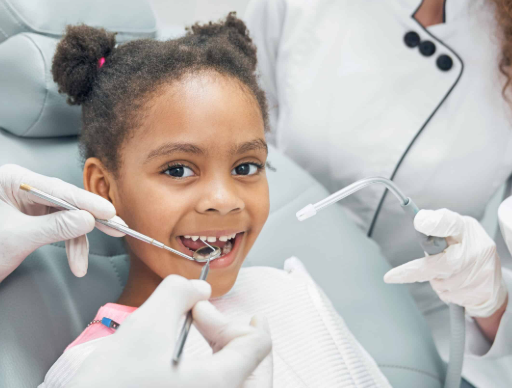
You can usually tell when a child feels unsure about their smile. They cover their mouth when they laugh, avoid school photos, or go quiet when someone mentions braces, cavities, or bad breath. Teens often hide it even more, but the stress is still there. A smile affects how they talk, eat, socialize, and carry themselves. Regular checkups and dental care in Columbia, MD do more than protect teeth. They help children and teens feel comfortable in their own skin, and that confidence shows up everywhere from the classroom to friendships.
Why Regular Dental Visits Build Confidence In Children And Teens comes down to something simple. When kids know their mouth feels clean, healthy, and cared for, they worry less. They smile more easily. They are less likely to deal with pain, embarrassment, or avoidable treatment later. A trusted family dentist supports both oral health and self-esteem, which often grow together.
Healthy smiles shape how children and teens feel about themselves
Children notice small things adults sometimes brush off. A visible cavity, stained teeth, swollen gums, or persistent bad breath can feel huge to a kid sitting in class or talking to friends. Teens, especially, can be hard on themselves. If they already feel awkward about appearance, dental problems add one more reason to pull back.
That is where routine care changes the pattern. Preventive visits catch small issues before they become painful or obvious. Cleanings remove buildup that brushing at home can miss. Dentists also guide kids through changes that come with growth, from baby teeth falling out to crowding, sports protection, and habits like grinding or thumb sucking.
The numbers support this. The CDC outlines the broad impact of oral health on overall well-being, including eating, speaking, learning, and social development. The National Institute of Dental and Craniofacial Research also highlights in its Oral Health in America summary that oral conditions affect quality of life across all ages. For kids and teens, quality of life often looks like confidence, comfort, and the freedom to smile without thinking twice.
Skipping dental visits often turns small concerns into social stress
Missed appointments rarely feel urgent at first. Life gets busy. A child says nothing hurts, so the visit gets pushed back. Then a minor cavity becomes tooth pain during school. Plaque hardens into tartar. Gums start to bleed. Breath changes. By the time the problem is obvious, the child has usually been aware of it for a while.
That gap matters. Pain affects sleep and concentration. Worry about appearance affects how freely a child speaks or laughs. If treatment becomes more involved, the experience can feel more intimidating and expensive than a basic preventive visit would have been.
The CDC tracks oral health indicators that show how common these concerns are across communities. Their oral health indicator definitions reflect just how closely access to preventive care connects with outcomes like untreated decay and tooth loss. For families, that often translates into a very human reality. The longer a problem sits, the more it can affect a young person’s confidence.
Dental checkups for kids and teens also build familiarity. A child who sees the dentist regularly learns that the office is a normal part of health care, not a place they only visit when something is wrong. That lowers fear, which makes future care easier. Confidence grows not just from a cleaner smile, but from knowing what to expect and feeling capable during the visit.
Regular dental care supports confidence at every stage of growth
A six-year-old and a sixteen-year-old need different kinds of support, but the benefit is similar. Younger children gain pride from learning how to care for their teeth and hearing that they are doing well. Preteens often need help through changes in bite, alignment, and hygiene habits. Teens may care more about fresh breath, appearance, and avoiding visible dental issues in social settings.
Consistent visits give each age group what they need at the right time. A dentist can spot habits that may affect development, recommend sealants or fluoride when appropriate, and talk with teens in a way that respects their growing independence. That steady support makes oral care feel less like criticism and more like a skill they can own.
| Situation | With Regular Dental Visits | Without Regular Dental Visits |
| Early cavities | Often found and treated when small | More likely to become painful or visible |
| Breath and gum health | Cleanings and guidance help control plaque and odor | Buildup can lead to bleeding gums and embarrassment |
| Dental anxiety | Familiar visits help children feel safe and prepared | Care may feel scary because it only happens during problems |
| Confidence in social settings | Kids are more likely to smile, talk, and participate freely | Self-consciousness can affect photos, school, and friendships |
| Cost over time | Preventive care often reduces bigger treatment needs | Delayed care can lead to more complex treatment |
Simple steps help children feel proud of their smile
Keep appointments routine, not reactive. Try to frame dental visits the same way you frame school checkups or haircuts. When appointments happen on a normal schedule, children are less likely to connect the dentist with fear or punishment. That mindset helps children’s oral health and confidence grow side by side.
Watch for quiet signs of self-consciousness. Some kids will tell you when their tooth hurts or when they do not like how their smile looks. Others will not. Pay attention if your child avoids smiling in photos, covers their mouth, eats on one side, or stops wanting crunchy foods. These small signals often show that something needs attention before they say it out loud.
Give them ownership at home. Let younger kids choose a toothbrush color or toothpaste flavor. Give teens responsibility for packing aligners, mouthguards, or floss picks. Praise consistency more than perfection. Confidence grows faster when kids feel capable, not judged.
A trusted family dentist helps children and teens smile without holding back
Confidence does not appear overnight, and it rarely comes from one perfect smile. It grows when a child feels healthy, supported, and free from the kind of dental problems that make everyday life harder. Regular visits protect teeth, but they also protect comfort, ease, and self-respect during years when those things matter deeply.
If your child or teen has started hiding their smile, pulling back in photos, or dealing with dental discomfort, a family dentist can help them get back to feeling like themselves. Steady care now can spare them pain later and give them one less thing to worry about when they walk into school, sports, or a room full of peers.
