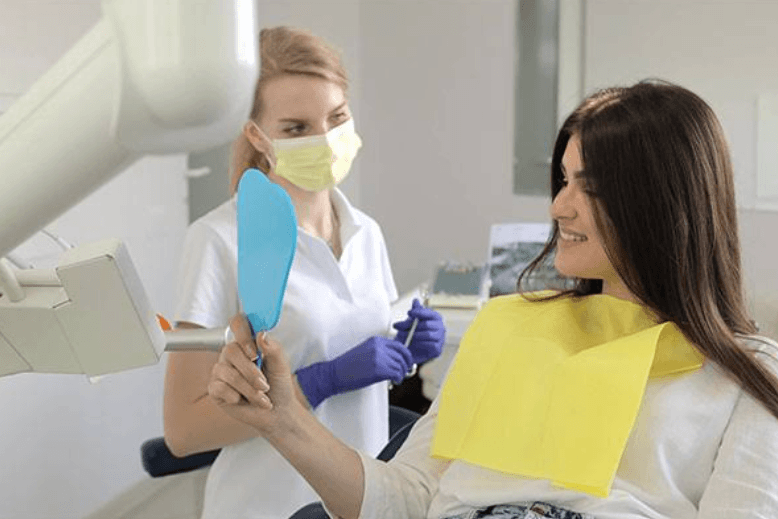
You paid for dental work because you wanted your smile to feel like yours again, not because you wanted one more thing to worry about. Then the second guessing starts. Is that crown still blending in? Why does that bonding seem a little dull? Did coffee stain that filling, or are you imagining it? If you have veneers, crowns, implants, or tooth colored fillings, that low grade worry is common, especially when you chose an expert restorative dentist in Tribeca because appearance matters just as much as function.
The short version is simple. Natural looking dental work lasts longer when you treat it like part of your daily health routine, not a one time fix. Good cleaning habits, smart food choices, regular checkups, and quick attention to small changes all help your restorations keep their shape, color, and fit. Maintaining natural-looking dental restorations is less about perfection and more about consistency.
Natural-looking restorations change when daily habits work against them
Restorations are strong, but they are not indestructible. A crown can chip. Bonding can stain. Veneers can lose some of their polish. The issue is not always poor dental work. More often, the problem builds slowly through habits that seem harmless. Grinding your teeth at night, chewing ice, opening packages with your front teeth, skipping cleanings, or sipping acidic drinks all add wear over time.
That matters because restorations are designed to match the color, contour, and light reflection of natural teeth. Once the surface gets rough or the edges start to shift, they stop blending in as well. A tiny stain line around a filling or crown might not sound serious, but it can make the whole tooth look off. In some cases, it can also signal leakage or decay around the restoration.
Home care plays a bigger role than many people realize. The National Institute of Dental and Craniofacial Research offers practical guidance on oral hygiene habits that protect both natural teeth and dental work. Plaque does not care whether it lands on enamel or porcelain. If it sits along the gumline, inflammation follows, and inflamed gums make even beautiful restorations look less natural.
Six tips help cosmetic and restorative dentistry stay lifelike
1. Brush gently and thoroughly twice a day. Hard scrubbing does not clean better. It wears surfaces down and can irritate gums. Use a soft bristled toothbrush and fluoride toothpaste, and pay close attention to the edges where restorations meet the tooth.
2. Floss every day. This is where many natural looking results start to break down. Plaque and food collect between teeth and around crowns, bridges, and implants. Daily flossing helps prevent gum recession and dark lines that make dental work stand out.
3. Watch stain heavy foods and drinks. Coffee, tea, red wine, berries, and tobacco can discolor bonding and surrounding enamel at different rates. That mismatch is what people notice. Rinsing with water after meals helps. So does not letting staining drinks sit on your teeth for long periods.
4. Protect your teeth from pressure. If you clench or grind, a night guard can save you from chips, cracks, and shortened restorations. Biting pens, nails, and ice creates the same kind of stress. A restoration may survive it for a while, then fail all at once.
5. Keep up with professional cleanings and exams. A cosmetic and restorative dentist can spot polish loss, bite changes, tiny fractures, and gum issues early. Small adjustments are easier and less expensive than replacing damaged work later.
6. Act on changes quickly. If something feels rough, loose, sensitive, or looks darker at the edge, do not wait. MedlinePlus explains common reasons tooth repair may need attention, including fractures and wear. Early treatment often protects the restoration and the tooth underneath.
Daily care and professional care do different jobs
You can do a lot at home, but home care and office care are not interchangeable. One keeps buildup and damage under control day to day. The other catches the subtle changes you cannot easily see in a mirror. That is the balance behind care for tooth restorations that still look natural years later.
| Care Approach | What It Helps With | Limits |
|---|---|---|
| Brushing and flossing at home | Removes plaque, reduces staining buildup, protects gums around restorations | Cannot polish worn materials or detect hidden cracks and leakage |
| Rinsing after coffee, wine, or acidic drinks | Lowers surface staining and acid exposure | Does not reverse stains already absorbed into bonding or surrounding enamel |
| Night guard for clenching or grinding | Reduces chipping, fractures, and bite pressure on crowns, veneers, and fillings | Only works if worn consistently |
| Professional cleaning and exam | Finds early wear, gum recession, bite changes, and failing margins | Cannot make up for poor daily habits between visits |
Age can also affect how restorations look because gums, saliva flow, and enamel change over time. The National Institute on Aging shares helpful advice on taking care of your teeth and mouth, including ways to manage dry mouth and protect oral tissues. When your mouth stays healthier overall, your dental work tends to keep a more natural appearance.
See also: Modern clinical approaches improving confidence and performance in men’s intimate health
Three steps make restorative dental work easier to maintain
Build a low friction routine. Keep a soft toothbrush, floss picks, and alcohol free rinse where you will actually use them. If your routine is too complicated, it usually fades within a week.
Track small changes. Take a quick photo of your smile every month in the same lighting. You will notice chips, edge stains, or gum changes sooner, and that can save a restoration before the problem grows.
Schedule care before something feels urgent. Preventive visits matter more with restorative dentistry because repairs often protect both appearance and structure. Waiting until pain starts usually means the issue has moved past a simple fix.
Consistent care keeps your smile looking like your smile
You do not need to obsess over every shade or reflection. You do need habits that support the work you already invested in. Gentle cleaning, stain control, pressure protection, and regular visits give restorations the best chance to stay smooth, balanced, and believable. If something looks different or feels off, reach out to a cosmetic and restorative dentist and have it checked before a small issue turns into a replacement.
