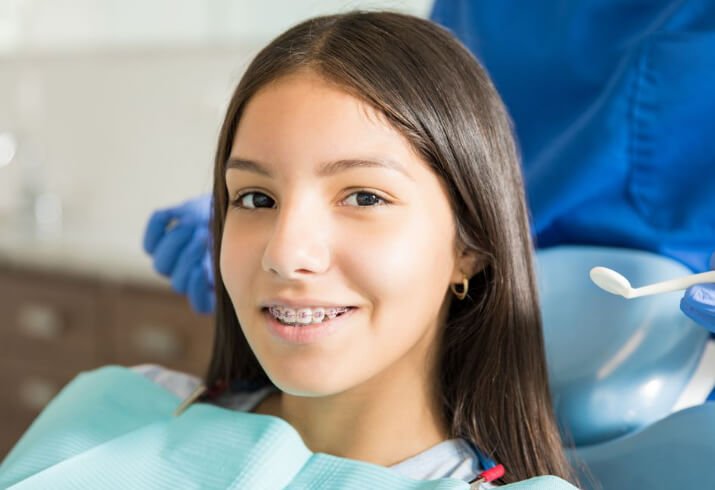
You expected braces or aligners to straighten teeth. You may not have expected the extra cleanings, the sore spots, the food traps, the sudden worry over cavities, or the feeling that every appointment leads to one more thing to keep track of. That stress is real. Orthodontic treatment changes more than your smile. It changes your daily routine, your cleaning habits, and the way your whole dental team needs to work together, especially when planning for dental implant restoration in Troy.
The good news is that orthodontists do not replace your regular dentist. They handle tooth movement. Your family dentist protects the teeth and gums underneath that treatment, catches problems early, and helps you avoid the setbacks that can stretch treatment out or leave damage behind. That is the core of how family dentists help manage dental care during orthodontic treatment. They keep the foundation healthy while your bite and alignment are being corrected.
Family dentists protect your oral health while teeth are moving
Braces, wires, bands, and even clear aligners create new places for plaque to sit. If you already felt like brushing and flossing took enough effort, orthodontic treatment can make it feel like a part time job. Food gets packed around brackets. Gums can swell. White spots can form on enamel where plaque stays too long. A small issue that would have been easy to fix before treatment can grow fast when cleaning becomes harder.
Your family dentist watches for those changes during regular exams and cleanings. That includes early decay, gum irritation, enamel wear, grinding, and places where you are missing while brushing. A family dentist also checks whether your mouth is tolerating treatment well. If a retainer is rubbing tissue, if an aligner is not being cleaned well, or if a child is avoiding brushing because it hurts, those details matter.
This support becomes even more helpful when life gets messy. You miss a flossing streak for a week. A bracket breaks before vacation. A teen starts skipping rubber bands and also stops brushing well. The orthodontist focuses on movement and mechanics. The dental care during braces piece often falls to the family dentist, who sees the whole picture and helps prevent one problem from turning into three.
Orthodontic treatment can raise the risk of cavities and gum problems
Orthodontic appliances are not harmful on their own. The trouble starts when plaque sits on teeth longer than usual. That can lead to demineralization, which shows up as chalky white marks after braces come off. Gums may also become red and puffy because plaque collects near the gumline and around brackets. With aligners, the risk can shift. If trays go back on after snacks or sports drinks without brushing, sugar and acid stay pressed against teeth.
This is where a family dentist often catches what patients miss. You might think, “I brush all the time, so why am I getting cavities?” The answer is usually technique, timing, or the areas that are hardest to reach. Your dentist can show you where plaque is building, recommend fluoride products, and adjust the prevention plan based on your age, risk level, and type of orthodontic treatment.
Trusted oral hygiene guidance from the National Institute of Dental and Craniofacial Research and daily care tips from the American Dental Association both reinforce the same point. Home care matters more when appliances make teeth harder to clean.
Family dentists and orthodontists work best as a team
Good orthodontic results depend on healthy teeth and stable gums. If decay develops under a band or gum disease starts during treatment, the plan may need to pause. That can mean more appointments, more cost, and more frustration. Coordination between providers helps avoid that.
Your family dentist may send updated X rays, treat a cavity before orthodontic work begins, monitor wisdom teeth, or flag gum changes that affect treatment. During treatment, they can clean around appliances more thoroughly than most people can at home and reinforce habits before damage sets in. After treatment, they help maintain the result by checking retainers, bite wear, and relapse risks.
This is one reason orthodontic dental care works better when it is shared, not split into separate boxes. Straight teeth still need healthy enamel. A corrected bite still needs gums that can support it for years.
Professional dental support prevents common orthodontic setbacks
| Issue During Orthodontic Treatment | What Happens Without Regular Family Dental Visits | How a Family Dentist Helps |
|---|---|---|
| Plaque buildup around brackets or aligners | Higher risk of cavities, bad breath, and white spot lesions | Provides cleanings, fluoride support, and brushing guidance for hard to reach areas |
| Swollen or bleeding gums | Gingivitis can worsen and make treatment less comfortable | Monitors gum health and treats inflammation early |
| Small cavity missed at home | Decay can spread and delay orthodontic progress | Finds and treats decay before it becomes a larger repair |
| Poor aligner hygiene | Bacteria, odor, and enamel risk increase | Gives cleaning instructions and checks for signs of damage |
| Retainer wear after treatment | Teeth may shift back and bite changes can return | Checks fit, wear patterns, and long term stability |
Simple steps make family dentist support more effective
Keep both schedules active. Do not pause regular dental visits just because orthodontic appointments are frequent. They serve different purposes. Most patients still need routine exams and cleanings throughout treatment.
Report small changes early. Bleeding gums, new sensitivity, white marks on teeth, jaw soreness, and trouble cleaning certain spots are worth mentioning right away. Early treatment is easier, less expensive, and less disruptive.
Ask for a cleaning plan that fits your appliance. Braces, expanders, and clear aligners create different challenges. Your family dentist can recommend the right tools, whether that means floss threaders, interdental brushes, fluoride rinse, or a different brushing pattern.
See also: WPS Official Website Provides Premium Templates For Documents Presentations And Spreadsheets
Steady family dental care helps protect the smile you are building
Orthodontic treatment asks a lot of you. Time, money, patience, and daily effort all add up. You should not have to guess whether your teeth and gums are keeping up. A family dentist helps you stay ahead of problems, supports the orthodontic plan, and protects the health behind the cosmetic result.
If you or your child is in braces or aligners, keep your regular family dentist involved from start to finish. That steady support often makes treatment smoother and the final smile healthier.
