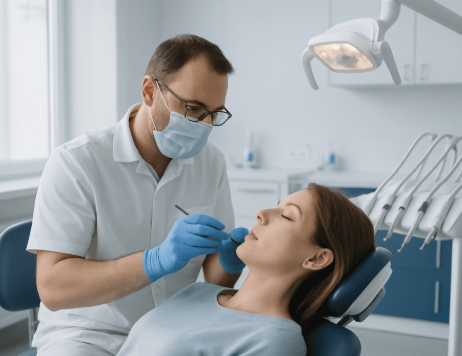
Your health shifts, and suddenly your mouth does too. Medications leave you dry. Blood sugar changes make your gums bleed more easily. Arthritis turns brushing into a chore that hurts. Recovery from surgery, cancer treatment, or a new diagnosis can make routines that once felt automatic feel exhausting. You are still trying to keep up with appointments, work, meals, sleep, and now your teeth and gums need more attention at the exact moment you have less energy to give, which is why seeing a family dentist in Owatonna, MN can help.
That is where general dentistry helps patients adapt after changes in their health. A good dental plan does not expect you to force your old habits into a new reality. It adjusts care to fit what your body can do now, lowers the risk of pain and infection, and helps you protect your mouth before small problems turn into expensive ones.
Health changes often show up in your mouth first
The mouth is not separate from the rest of the body. When your health changes, your teeth, gums, jaw, and saliva often respond quickly. Diabetes is a clear example. Higher blood sugar can raise the risk of gum disease, dry mouth, and slower healing, which is why the CDC explains the link between diabetes and oral health so plainly. If your gums are swollen or your breath changes, it may not be random. It may be part of the bigger picture.
Aging can bring its own set of changes. Receding gums, root decay, worn dental work, and trouble cleaning around bridges or crowns become more common over time. The National Institute on Aging offers practical guidance on taking care of your teeth and mouth as you age, and that guidance matters because oral problems rarely stay small when daily care gets harder.
Dry mouth deserves special attention because it sounds minor until you live with it. Saliva protects teeth, helps you swallow, and keeps soft tissues comfortable. When it drops, cavities can spread fast, food can feel harder to manage, and speaking can become uncomfortable. MedlinePlus outlines common causes and treatment ideas for dry mouth, many of which start with medications people need for completely unrelated conditions.
General dental care creates a plan that fits your new reality
When your health changes, you do not need a lecture about brushing better. You need care that meets you where you are. That may mean switching to a softer brush if your gums are tender, recommending fluoride treatments if dry mouth is raising your cavity risk, or changing the timing of visits so cleanings happen more often while inflammation is active.
This is how routine dental care after health changes becomes practical support instead of one more burden. If hand weakness makes flossing difficult, your dentist may suggest floss holders, interdental brushes, or water flossing. If nausea makes mint toothpaste unbearable, there are alternatives. If you are healing from illness and long appointments drain you, shorter visits may work better.
The emotional side matters too. You may feel embarrassed that your mouth changed so fast, or frustrated that you are doing your best and still seeing problems. General dental care can reduce that shame. It turns the conversation from blame to adaptation. That shift helps people stay in care instead of avoiding it until pain forces a visit.
Delaying general dentist visits often raises both discomfort and cost
People often wait because they assume the issue will settle once the larger health problem does. Sometimes it does not. Dry mouth can turn into multiple cavities. Gum irritation can deepen into infection. A rough filling or broken tooth can become hard to chew on, which pushes you toward softer foods that may not support the rest of your health needs.
There is also a money side to this that many people know too well. A cleaning, exam, or fluoride treatment is usually easier to manage than root canal treatment, extractions, or replacing damaged teeth. When health changes already bring new prescriptions and specialist visits, dental prevention can protect your budget as much as your mouth.
Home adjustments and professional dental support work best together
| Concern after a health change | Home adjustment | How a general dentist helps |
|---|---|---|
| Dry mouth from medication | Frequent water, sugar free gum, alcohol free mouth rinse | Checks for early decay, recommends fluoride, adjusts preventive care |
| Bleeding or swollen gums | Gentle brushing, daily cleaning between teeth, blood sugar support if needed | Measures gum health, removes buildup, treats gum disease early |
| Limited hand strength or mobility | Electric toothbrush, floss aids, larger grip handles | Suggests tools that match your ability and technique |
| Mouth soreness during treatment or recovery | Soft foods, bland products, careful hydration | Finds the cause, checks for ulcers, infection, or appliance irritation |
| Higher cavity risk | Reduce frequent sugar exposure, use fluoride toothpaste | Monitors weak spots before they become larger restorations |
Dental support after medical changes is not an either or choice between home care and office care. The daily tools keep problems from building. The dental visit catches what you cannot see, confirms whether your plan is working, and changes course when your health changes again.
Three steps can make oral care feel manageable again
1. Update your dentist on every medication and diagnosis. Bring a list, even if the change seems unrelated to your mouth. Blood pressure drugs, antidepressants, antihistamines, diabetes medications, and cancer treatments can affect saliva, gums, healing, and comfort.
2. Ask for a simpler home care routine. If your current routine is too hard to keep up with, say that directly. A shorter routine you can actually do every day is better than an ideal plan that falls apart after a week.
3. Schedule preventive visits before pain starts. Regular exams and cleanings give your dentist a chance to spot patterns early. That matters when your body is already handling enough. A general dentist can often make small changes that prevent a much bigger problem later.
Steady dental care helps you adjust with less stress
Your body changes, and your dental care should change with it. That is not failure. That is normal. The goal is not to pretend nothing has shifted. The goal is to protect your comfort, your health, and your ability to eat, speak, and smile without adding more strain to your life. If your mouth has started to feel different after a change in your health, schedule a visit with a general dentist and get a plan that fits where you are now.
